Role within the Centre
Restaurants and cafés were included in the Barbican Centre from the outset as part of the intention to create a building that would be used throughout the day as well as in the evening. They were conceived as integral elements within the network of public spaces rather than as separate or secondary additions.

Distribution of spaces
Dining and refreshment areas are distributed across different levels of the building rather than concentrated in a single location. Some are situated within the internal foyers, forming part of the main circulation areas used by visitors attending performances, exhibitions, and other events.
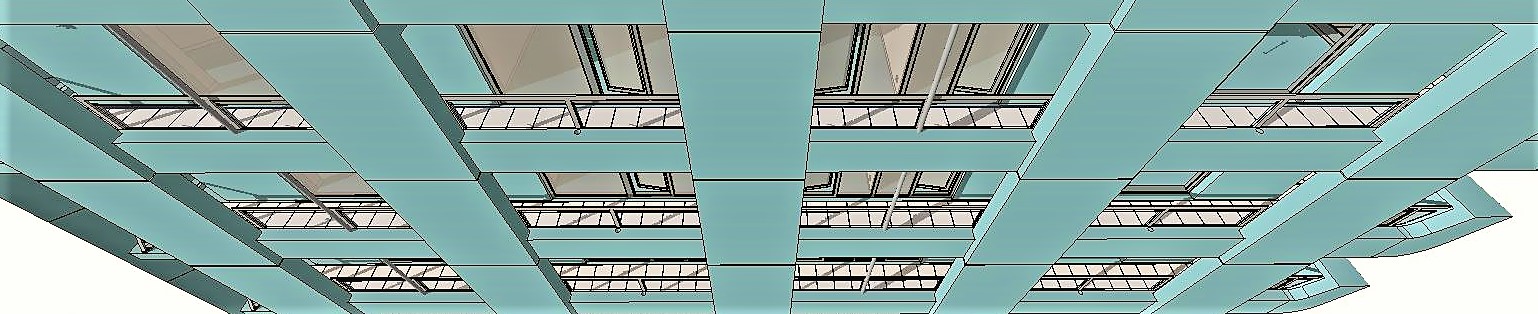
Others are positioned along the lakeside elevation, where they take advantage of views across the water and provide a more outward-facing aspect. These lakeside areas are among the more legible parts of the Barbican Centre and contribute to its use as an informal public space.
Relationship with circulation
Internally, cafés and bars are closely integrated with the foyers of the concert hall and theatre. They are encountered as part of movement through the building rather than as destinations requiring a separate approach.
This integration reflects the broader architectural approach of the Barbican, in which different functions are interwoven rather than clearly separated.
Daytime use
During the day, when performances are not taking place, these spaces are used for informal activities such as meeting, reading, and working. Visitors, residents, and students make use of the seating areas, contributing to the continuous occupation of the building.
The proximity of the Guildhall School of Music and Drama reinforces this pattern, with students frequently using the public areas for study and preparation.
Use during events
In the evenings, the same spaces serve audiences attending events. They are used before performances, during intervals, and afterwards, accommodating large numbers of people within a relatively limited area.
The flexibility of these spaces also allows them to be used for conferences and other organised events, in which case they may be adapted or temporarily reconfigured.
Overall role
The restaurants and cafés support the main cultural functions of the Barbican Centre while also contributing to its role as a place of everyday activity. Their distribution across the building and integration with circulation routes reflect the intention that the Centre should function as a continuous environment rather than a collection of separate venues.